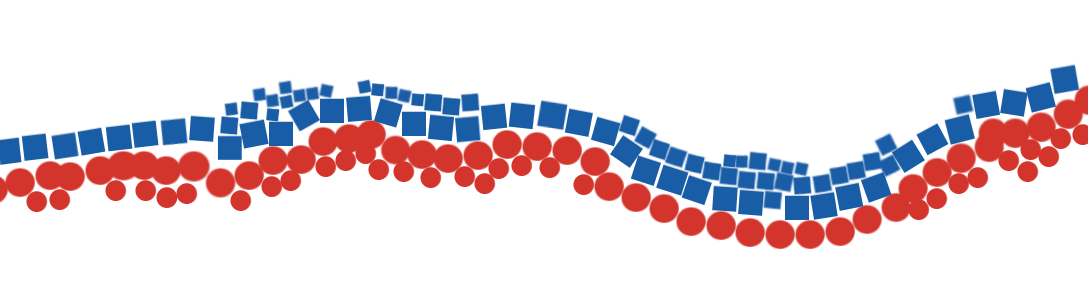
Trees are natural strata-makers. Every year they build up another ring of growth, reflecting spring’s burst and demand for water and nutrients buried in the ground, then diminishing and pausing through winter. Each year, information on the climate and the tree’s immediate ecosystem are being charted with each successive layer of growth – such information is being used to date timber samples but there is also the separate study of dendroclimatology.
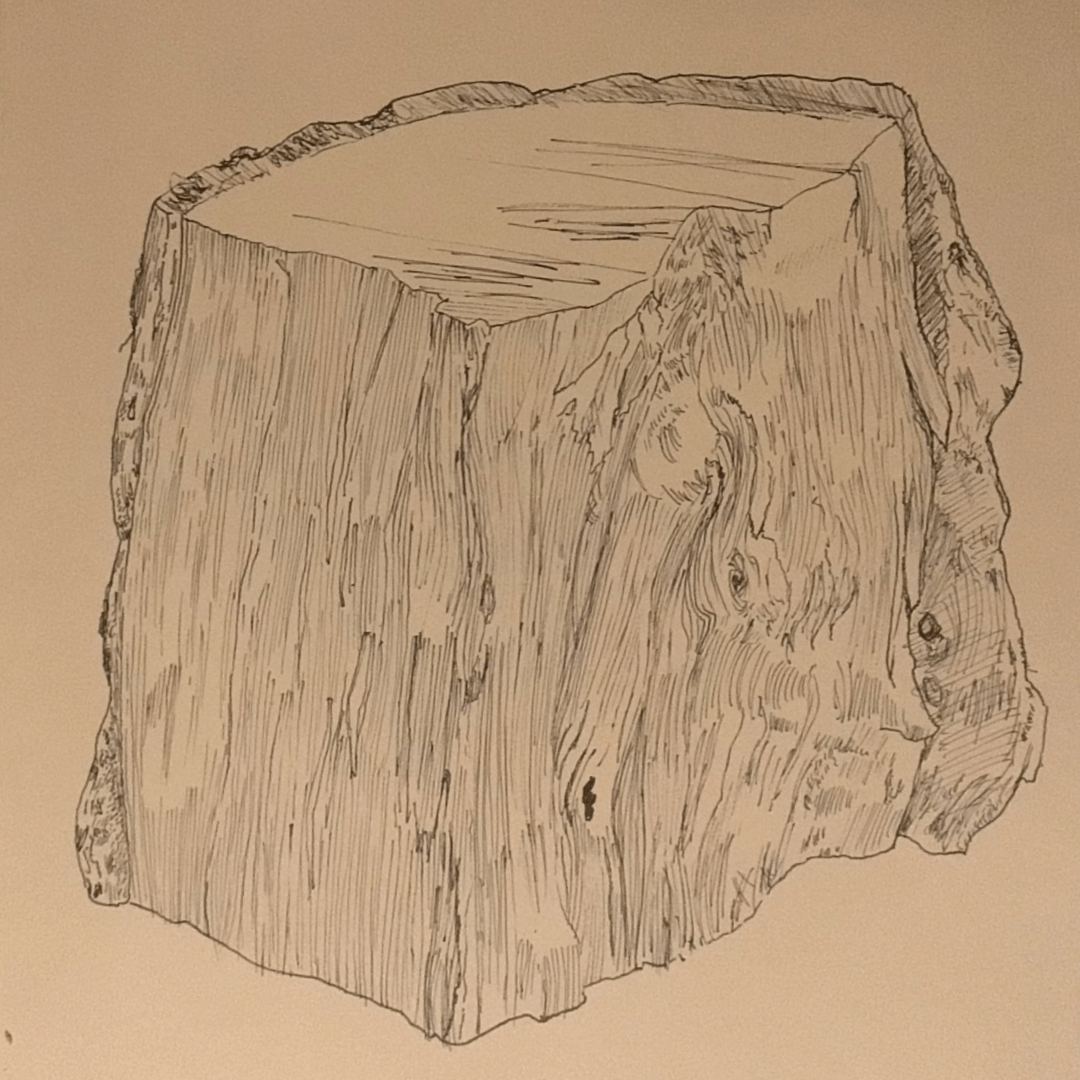
I drew a block of wood today, thinking about this. Trees grow in layers, and those layers each hold a story. This cut of wood wasn’t the best for looking at growth rings, having been sawn and destined as fire wood, but looking ‘along the grain’. It’s interesting to look at the structure from this angle, being so directional. It makes me think back to historic properties and the fact that timber products in our buildings were all made once with a quality of slow grown timber that just isn’t commercially available anymore. Structurally, the properties of these stronger timbers were understood and exploited, resulting in much smaller sections doing only what a modern, large piece of structurally graded lumber can achieve. This is why it is better to conserve these old timber structures, windows, doors. That, and the issue of conserving the trees we have.
I live in an area that has been heavily commercially forested. The landscape is dominated by it. I often try to picture what it must have once looked like. Clearly there is a demand for this type of timber, however a lot of wider landscape and environmental issues have emerged calling for balance. I’m less and less convinced simply planting trees is the answer to our problems. It’s certainly not going to every justify our propensity towards waste.

 meandertect