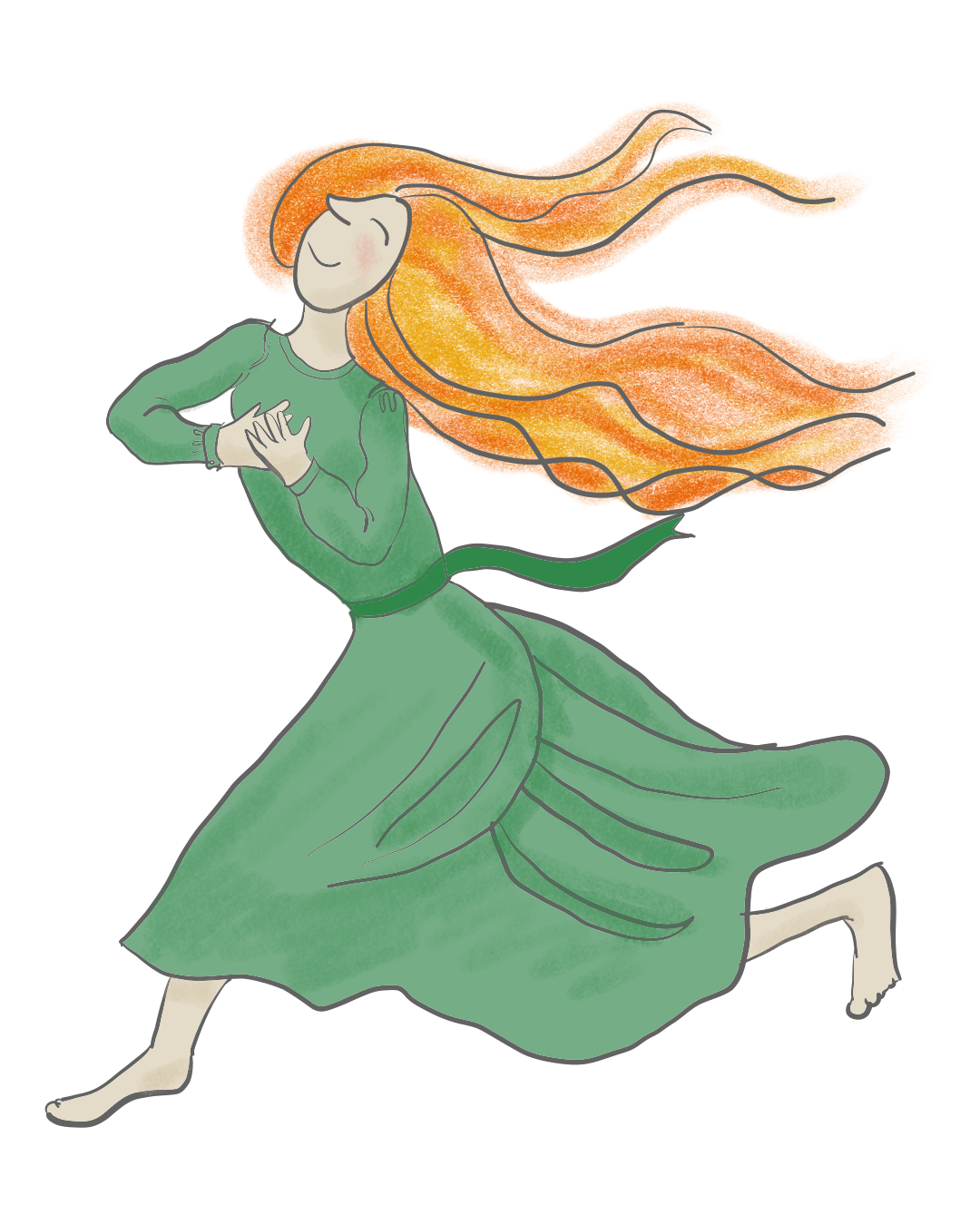
Getting carried away…

Admittedly, probably nothing to do with the new theme of strata. This is just a doodle I felt like drawing today. It seems a very happy picture, and I’m not sure why. I don’t feel particularly joyful right now!

I think part of me feels carried away by thoughts and it’s very easy to get swept up in the idea of something exciting or different for a little while. Maybe easy too to kid yourself on that it is the right thing, because the feeling it gives for that little while is good, right?

I keep thinking back to the Vectors entry and how I could do so much more with a real sense of direction. I get too interested in other things…I end up going a long way, and not really getting anywhere. Maybe I really should stop fixating on ‘getting anywhere’. Where is that, anyway?

My eldest has been reading Roald Dahl and I think something of this picture might be inspired by Quentin Blake’s sketches. I love Dahl’s powerful ability to convey characters, with a few simple (and poetically made up!) words. Quentin Blake does the same in art form. The result is not necessarily lifelike; sometimes grotesque, comedic, but always very warming somehow.

Strata

I’m exploring a new theme. Strata – or layers, though I think Strata is a better word, as it is more specific about a sequence in which these layers are formed.

There is something alluring about Strata. We see it in so many forms; in geology, a design process, a personality, an onion, a tree, a life. I’m just throwing examples out there.

What’s alluring about it? Does it appeal to our insatiable need to discover and learn new things? Probably. Sometimes those layers, whatever they represent, are obscured, hard won by, or just impossible to reach.

A process of continuous unveiling deepens our understanding. Sometimes it is necessary that this happens slowly, because information has to be absorbed, fully appraised, so when all is revealed, the full complexity is finally understood. Nothing simple is worth knowing.

Cycles

I think women have a privilege and a curse, of being connected to the moon. Our own internal tides take over our bodies and minds, this can either cause symphony or discord. Women ‘s cycles will synchronise with one another, without them even realising it. There is so much more going on than we can know.

The great privilege is that women have the capacity to bring forth life from this connection. I wonder whether humans would exist at all if it weren’t for the moon that has imposed its cycles upon us, and how evolution would have been completely different.

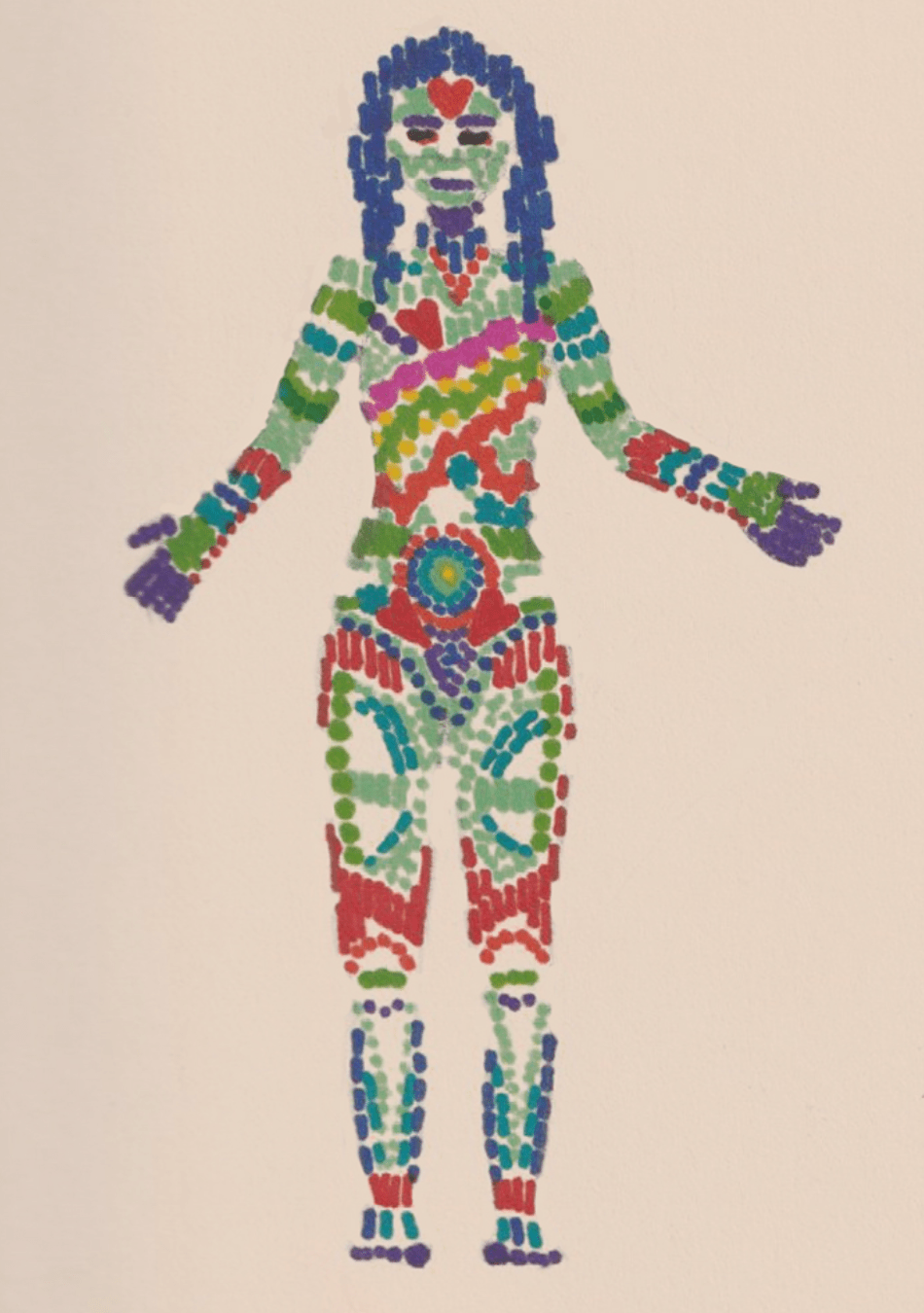
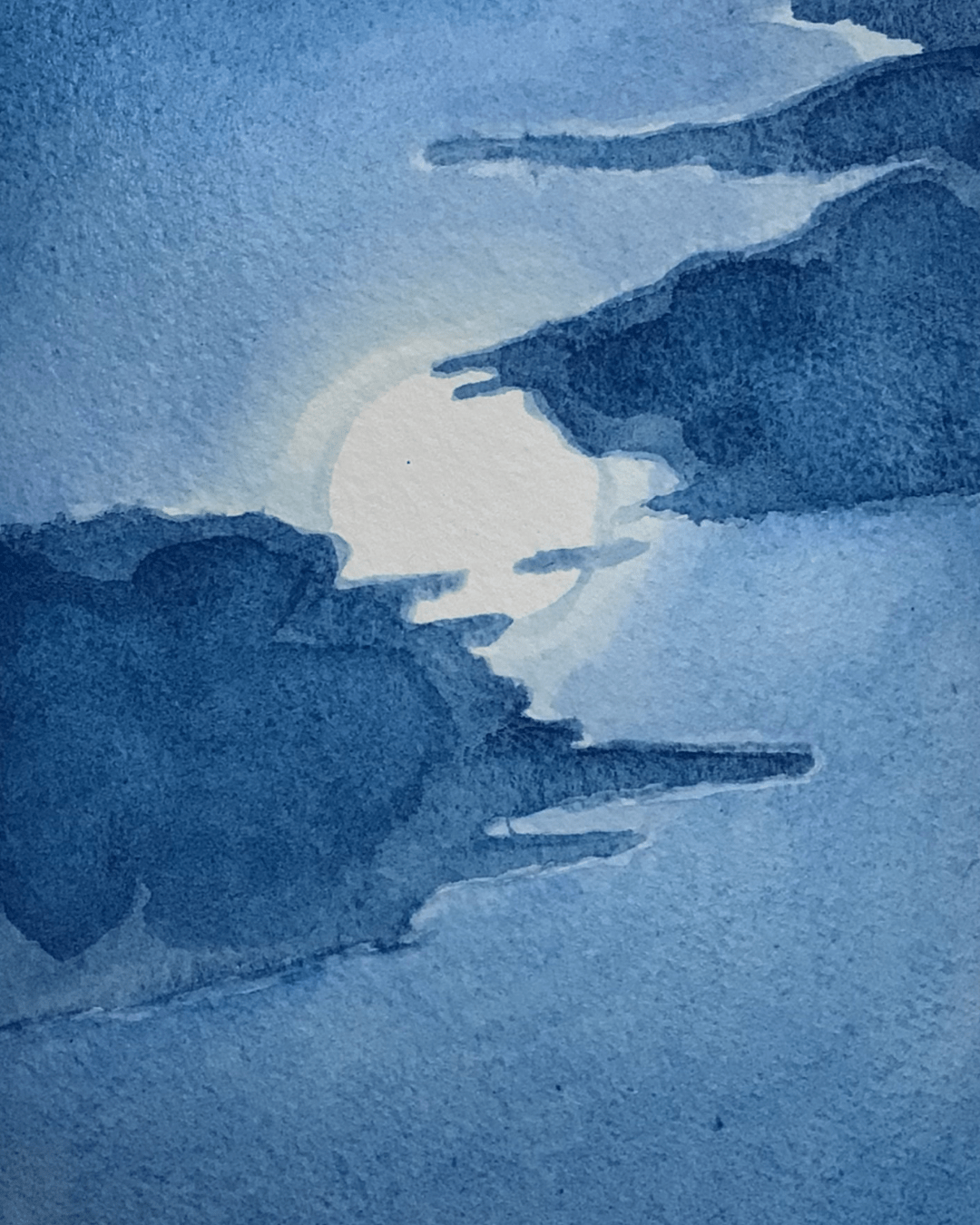
This doodle is a sort of celebration of the feminine. The woman is offering herself openly to the moon and they exchange their energy. Or that’s the idea of it.

Change, or Progress?

Consider at first, that a place exists, and it is simply a crossing of roads, a meeting point – almost everywhere started as a sort of trading point. So cities were built around human movement and activity, not around buildings. I know that sounds obvious, but maybe it isn’t.

Almost every western city has experienced some degree of ‘slum clearance’, clearance for roads or infrastructure, demolition for new ‘better’ development. I find it fascinating looking at old maps and trying to understand the story of a settlement’s or city’s morphological development.

Looking at older, medieval developments, there was often a high density of development centred around an open square or series of squares, with the major civic functions located there. Buildings were built to suit the topography and local climate, made from locally available materials. Of course they were different times and defence also features heavily in the plans; city walls, towers and the like. I’m not trying to be nostalgic about this, but I think maybe we have lost this art of developing cities, of shaping them for what we actually need.

I do worry about how, now more than ever with fuel and technology, we can enable change upon the world. From an architect’s perspective, I think about all the, for want of better words, ‘social experiments’ imposed on people, particularly in the 60s/70s, where large areas were cleared for ‘better, modern housing’ and motorways. Of course the ideas for change have always been about to some extent, but the rate of change of our urban, suburban, and even rural areas is accelerating. Hence, rightly so, we have a planning and building control system, though it doesn’t always stop poor development decisions slipping through the net.

I think this also has parallels in other areas of life, and the world we shape around us. We are too ready to make change without identifying first whether it is actually progress.

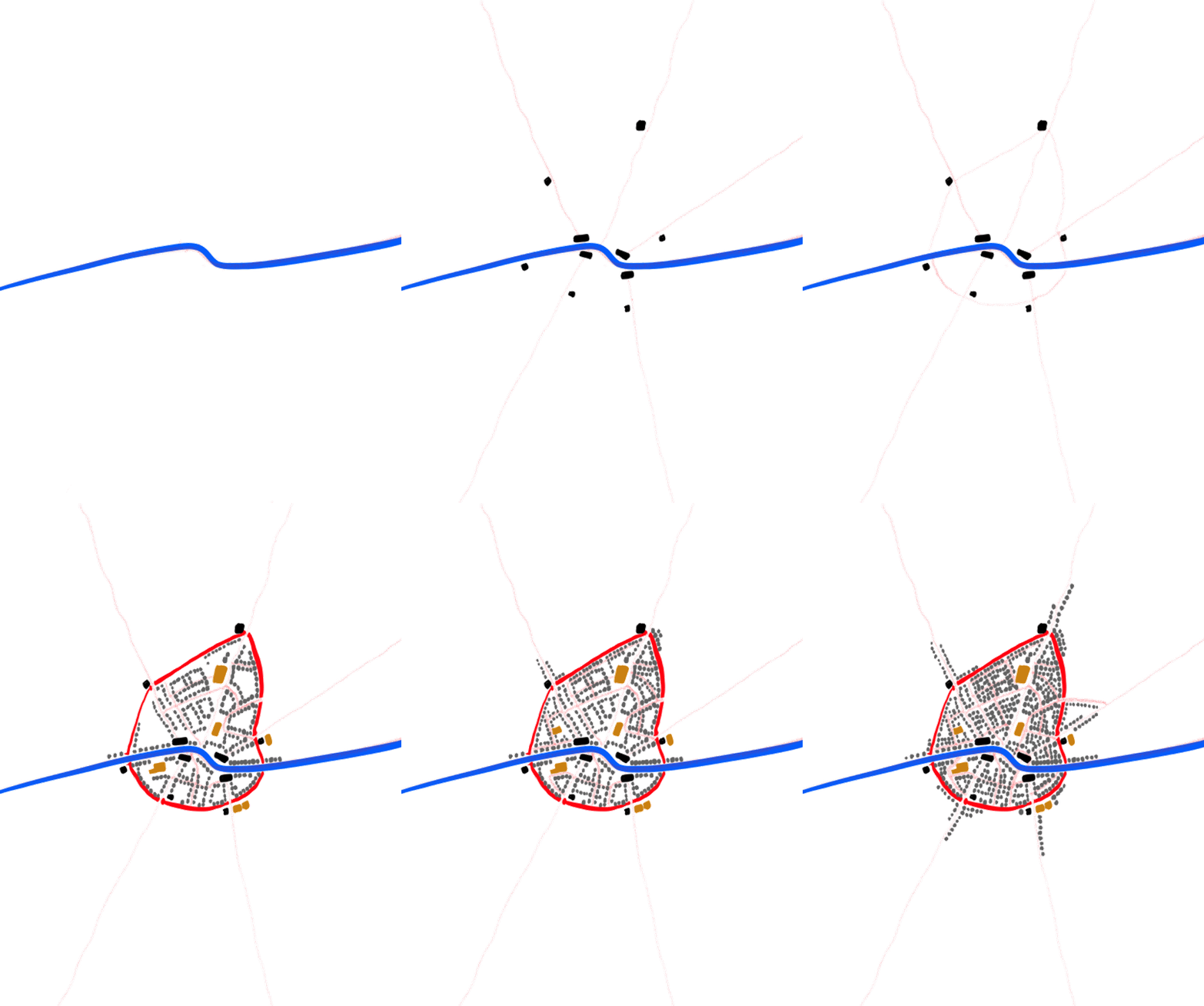
This post suggests the formation of a city; initially around a river and natural meeting point; trading posts develop, then people settle nearby to support (and benefit from) the activity; sufficient development occurs to justify fortification; expansion occurs with development becoming denser. The finished map might place us in medieval times. The next stage might be Enlightenment clearance, or perhaps an invasion from the south…

Breath

I spent some time with a friend today, someone who is very advanced in their yoga practice. I’ve admittedly not been doing any for some time, and many of the things she was saying resonated with me – this idea of pushing and pulling, giving and taking back, breathing in and breathing out…a flow of energy through your body. In that moment you almost feel like the ground beneath your feet is an extension of your body, as if there is no longer any boundary to your physical self.

Funnily enough, it kind of reflects what I was thinking about with cubism in the last post. The difference is, the breath carries that energy, from the earth through your centre and out again. There is a wonderful feeling of connection. So I am reminded to try bring some yoga practice back into my daily routine.

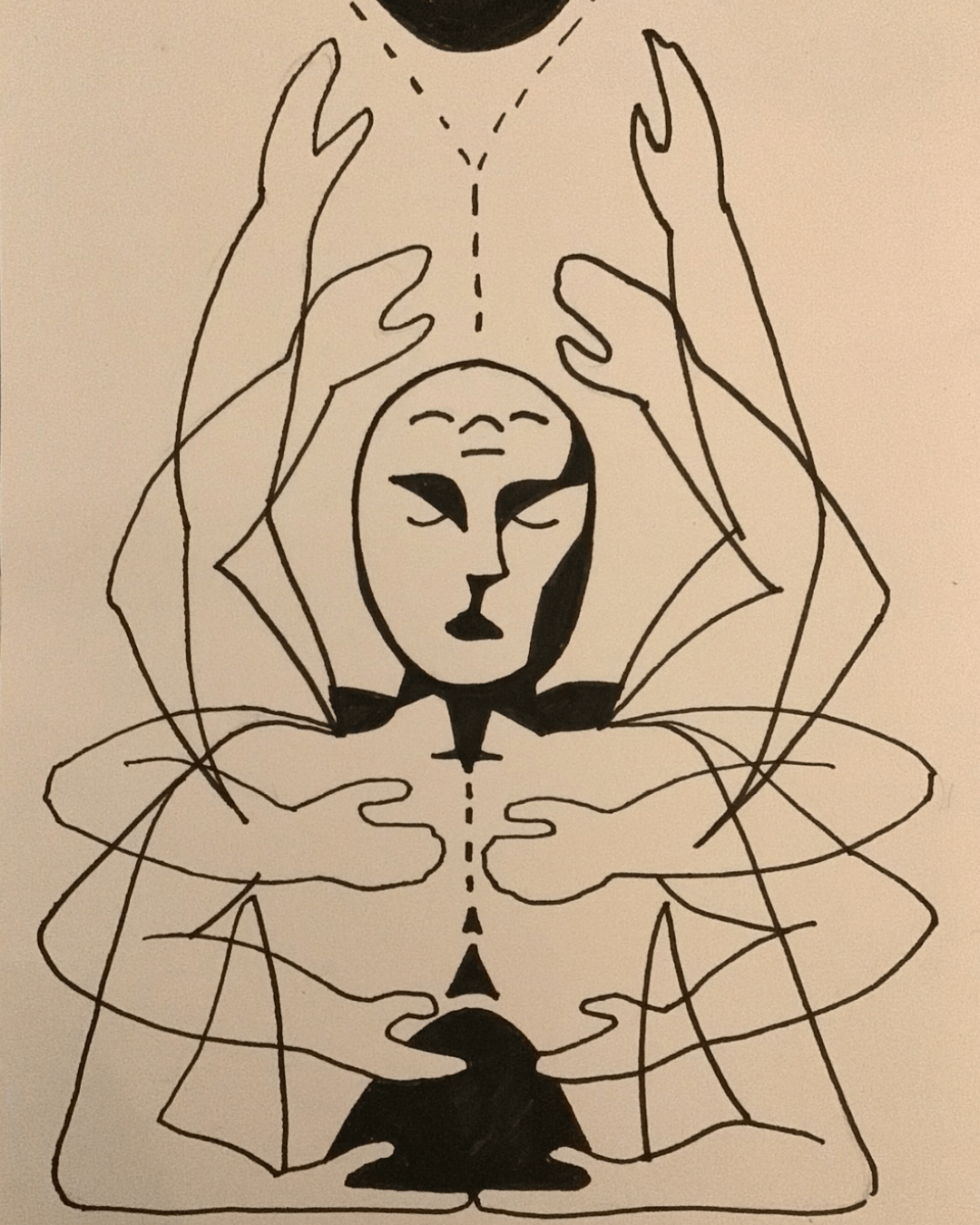
I’ve tried to capture this feeling and energy in this image. Inevitably, it is a dynamic sketch, showing a static heaviness in the resting arms, moving to reach up to the sky.

Moods

Along the lines of the tidal theme, I’ve been thinking how there is an apparent tendency for the most charismatic, entertaining, people to have a ‘dark side.’ I have speculated that some people must experience a greater spectrum of emotions than others. Only those who feel unadulterated happiness can also pull themselves into the depths of despair. Is that valid? Or maybe we are all somewhere along this spectrum by the nature of our own personalities…maybe life events can open new parts of the spectrum to us. Maybe the highs do not mirror the lows.

I’m not sure how much control anyone really has over any of this. Depression is an incredibly difficult thing to comprehend, and so many people suffer from it, it’s such a wasted energy. I myself get bouts of anxiety, possibly conditioned, possibly hereditary (or both). I’m also aware of how much this inhibits me, but I can’t seem to do much about it, it’s incredibly frustrating. I am resolved that screens and false worlds have a lot to do with the apparent ‘modern’ epidemic of depression, however, I also think it is impossible to know what the real historic picture is: the stigma surrounding depression, and it’s many forms, has only recently started to erode.

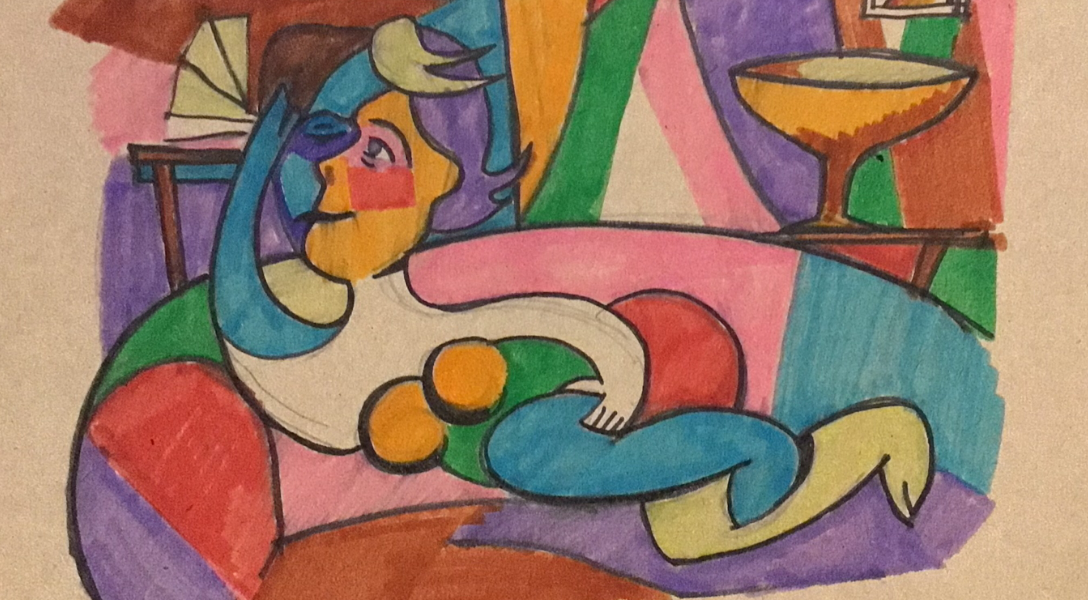
This image is a bit of a play on Picasso’s portraits. I’ve always enjoyed these and his studies in Cubism in particular. What I specifically like is that he seems to blur the definition between the subject and their surroundings, sort of melting them into the space. He captures sometimes several perspectives to build up a more complete representation. This is very much just a silly doodle – I’ve tried to show the ‘two sides’ of the character as simply happy/sad.

Harvest

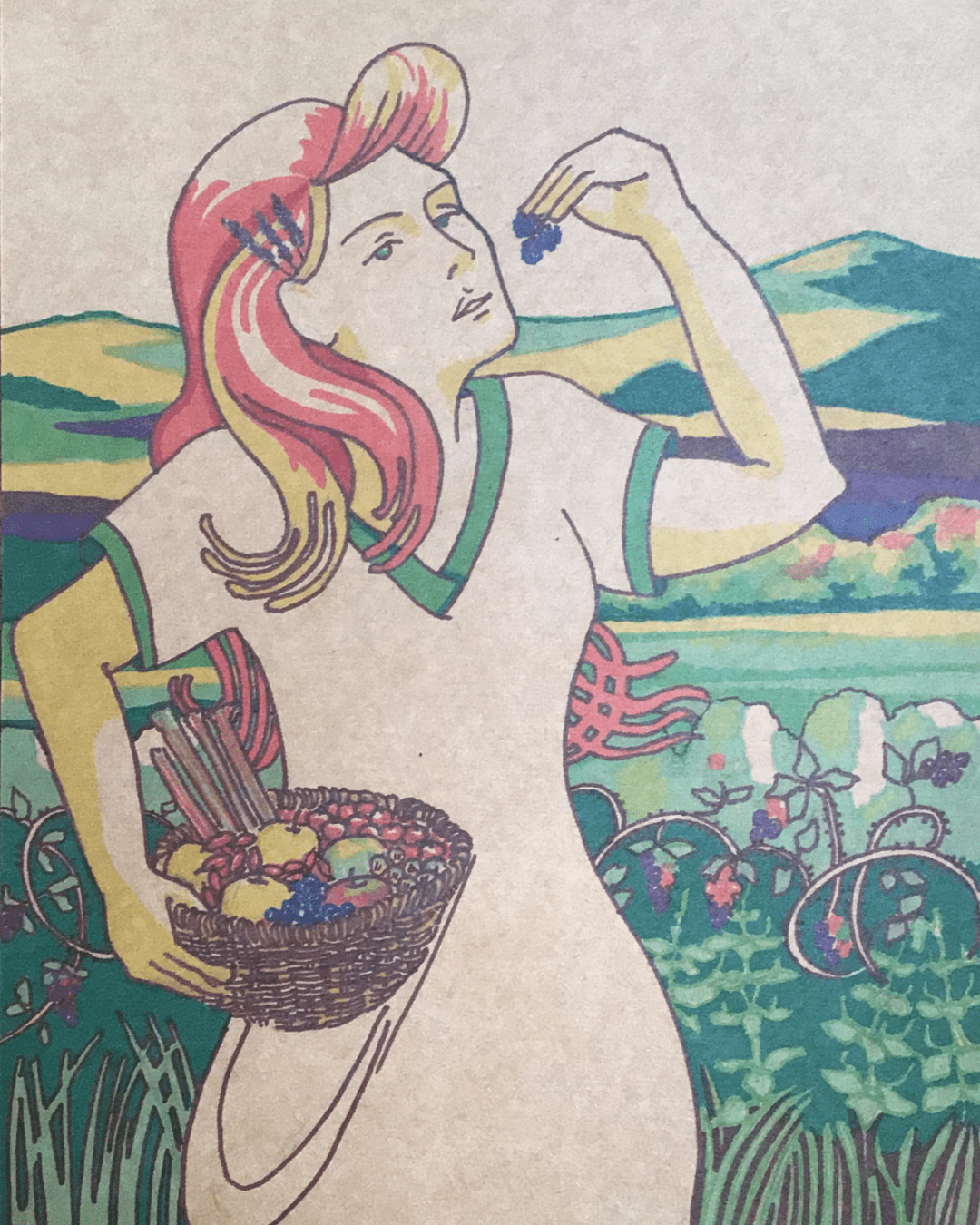
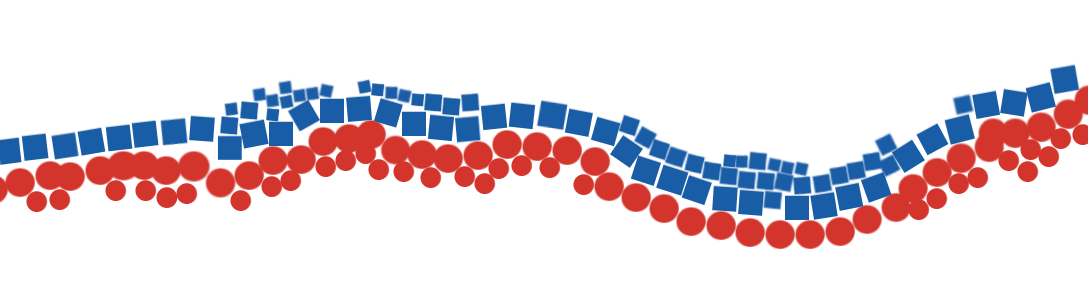
Seasons and growth. At this time of year nature is at it’s most bountiful. The seasons are like tides; cycling, sometimes providing bumper harvests, other years producing less.

When you’re not directly involved in food production, you become divided from this seasonal effect. We ship food from across the globe and eat many of the same foods year round. It’s easy to forget the benefits of seasonal variation, and the awesome fact that many foods appear locally, just as they are needed, to supplement our diet with the vitamins and minerals required, particularly to see us through the winter.

So what are we putting in our mouths? Probably the same stuff over the course of the year. Many successful agricultural cultivars have been developed with much lower nutritional value than their wild cousins, and harvested before reaching full or even semi-ripeness. Animals and fish are often farmed intensively, yielding similar results. It’s easy to conclude that we may be building up too much of some content and be permanently depleting ourselves of others. I genuinely think this must be why many of us in modern society never feel satiated and overeat.

According to environmentalists, it is consumers that have to drive the change in demand to supermarkets. But this is a choice for the privileged few. Most of us just have to feed ourselves with the little money we have. And until there is more locally produced, seasonal food readily available, we will choose the cheaper packet of food, somehow still cheaper after being shipped and frozen, from the other side of the globe.

So food production is something that is behind-the-scenes for most of us. But the status-quo cannot continue. Agriculture has turned into this modern monster and it is causing huge problems around the world – floods and droughts, mega pests and diseases, soil depletion, deforestation, and we are completely, utterly at the mercy of this process…we cannot survive without food, and farmers cannot survive without being paid.

I don’t know how to solve this problem. At a local level, it means trying to support producers that practice good land management and animal husbandry wherever possible, eat seasonally, forage where possible (or learn to), and learn to grow some food ourselves. Above this, governments have to support change and, in particular, subsidise the better farming practices, and possibly even consumer choices in supermarkets.

What’s happening in the world now has demonstrated that we need to become more resilient and self-reliant in our food production, among (many) other things.
Riding the wave

Today I’ve been appreciating things. The sun was golden this evening and, at this time of year, the warm, humid air late in the day brings all the perfume out of the hedges. The air is heavy with the scents of honeysuckle, late meadowsweet, bracken and brambles. There are times when I really do feel this energy, and I feel thankful – to who or what I don’t know!

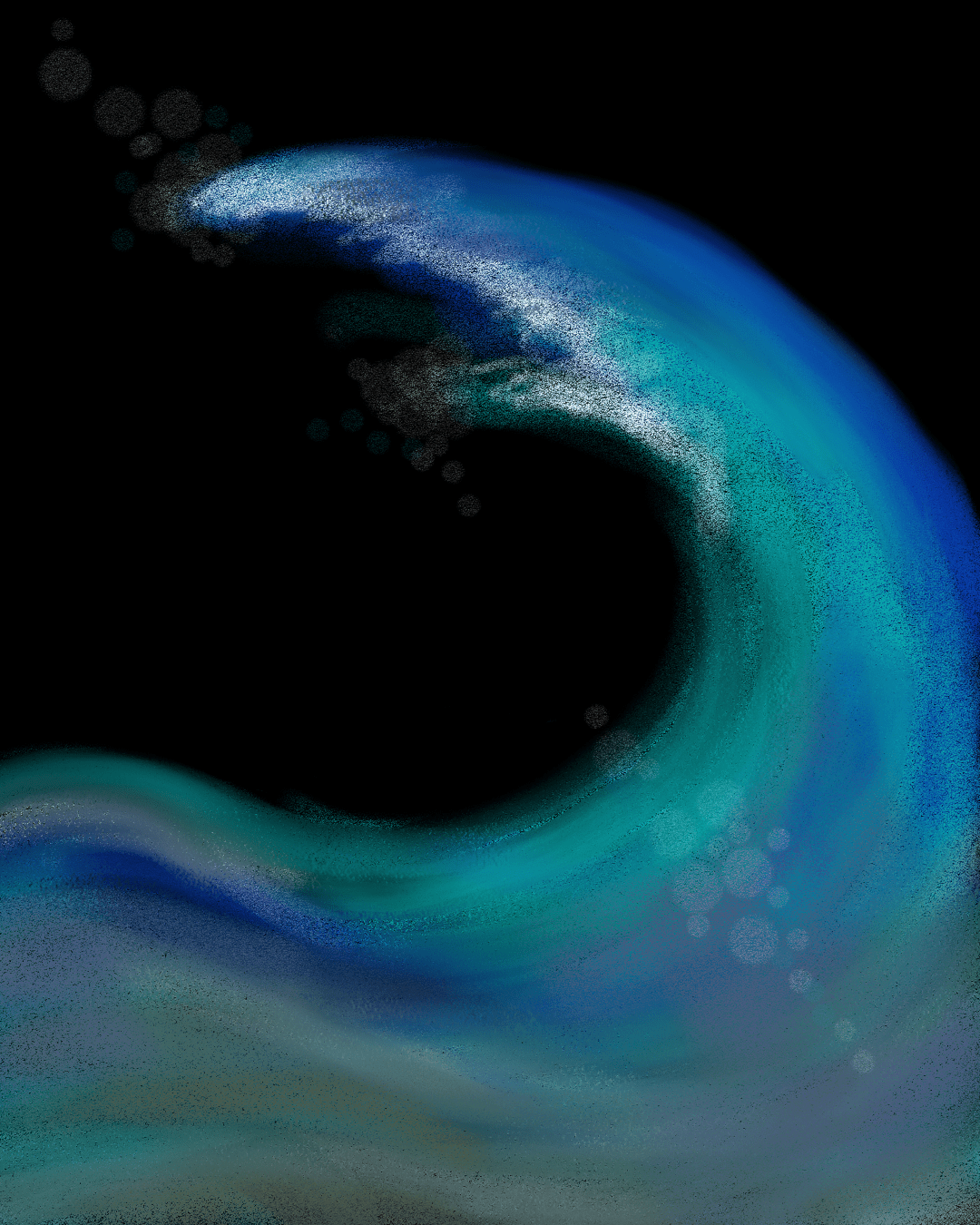
I have also been thinking about times in life when I have felt myself ‘riding a wave’. For a moment this evening it felt a little like it. I think great musicians and artists can capture and convey this, but I’m sure just about anybody, truly passionate about what they are doing, can also ‘ride a wave’. It’s those times in life, those times when everything appears to stack in your favour, that we can capture this feeling.

I think I have felt this most strongly with some friendships, when I first met my husband, art I have painted (not recently, I’m afraid!), maybe even one of the last projects I completed! But I’ve never quite ridden a monster wave like I imagine some musicians do. I grew up trying to learn instruments, and loving singing (I still do, though I know I’m no good at it!) but no matter how hard I tried, I knew I didn’t have ‘it’. That flow. You know when someone has it. It normally results in goosebumps.

I’ve written this whole post playing all the music from the original Fantasia (c1940) in my head.

Vessels

After yesterday’s venture round the rabbit hole, I decided I need to get back on the proverbial ‘ship’. That ship is our Earth, the world around us that we can see and understand. It is bearing us safely through this spaghetti web of space and time; it is the point of relativity relevant to our existence.

I was thinking about vessels in this way and started to also think about how our bodies are vessels too; but they go further than this – obviously, we interact with the world around us through all of our senses. We navigate this world and all its offerings around us. But we are not captains of this ship.

Considering the planet in this way does somehow force more urgency on the issue of looking after it – we don’t have lifeboats. I’m not talking merely about carbon or energy conservation…but looking after ecosystems, the way we produce food, plunder the earth, treat each other, live together. As a society we have developed such an ingrained wastefulness of consumer culture that mega industries have risen and developed their business models upon. Almost all of us have become dependant upon it. Some major, very real and scary shifts will have to happen at some point.

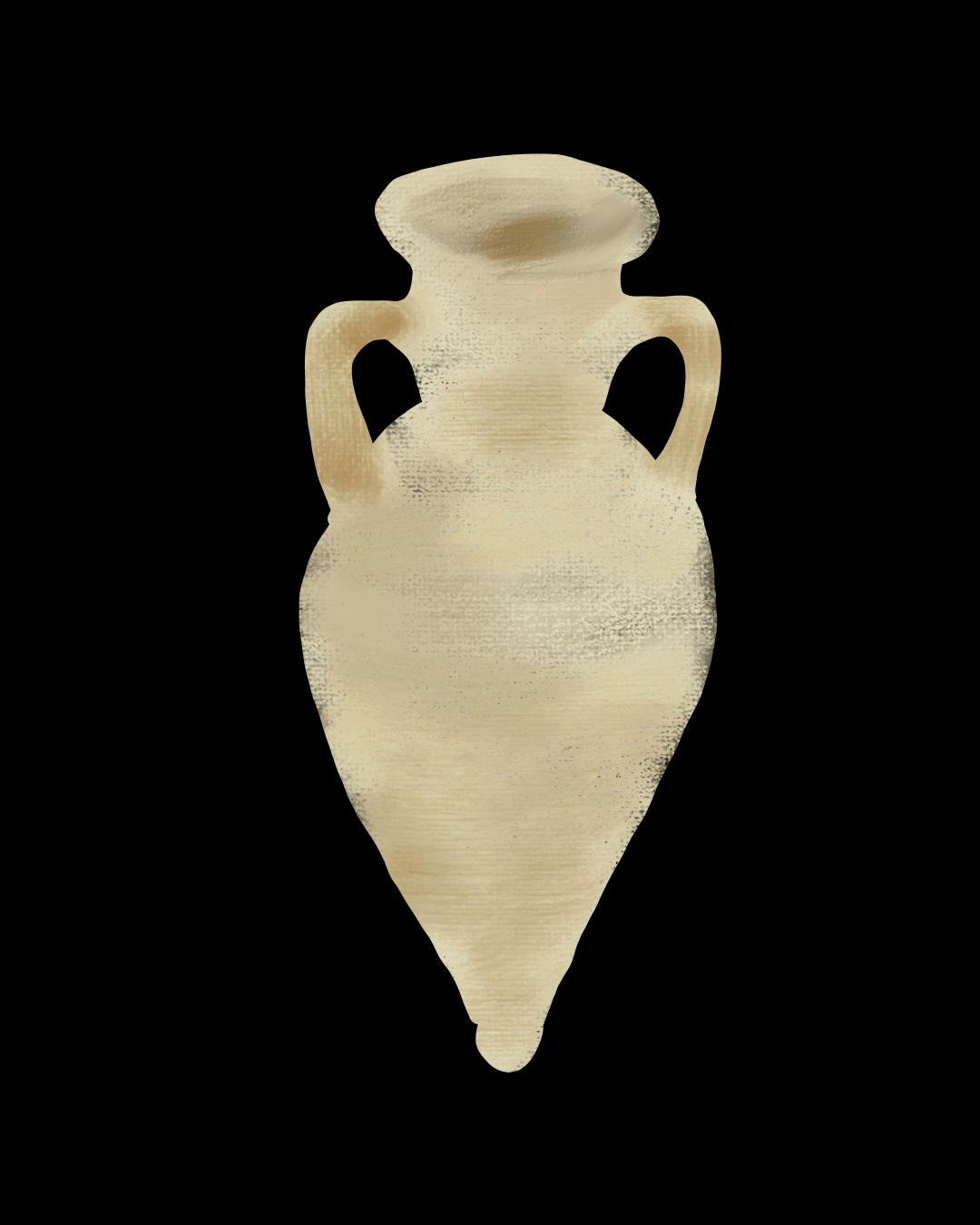
Today’s entry is an amphora, an ancient form of vessel. I like the connotations with the vessels used by pharaohs to transport them to the afterlife; their tombs and canoptic jars. The vessel is indeed a sacred thing, and nothing more sacred than our very own Earth.