Patina

I recently stepped into a building, back in time. Everything in that place had been made by hand, laboured over, and in spite of having gone through the knocks of life, was well preserved. I started thinking about the value of old things, admittedly not a new feeling for someone interested in architectural conservation, but I did feel a perspective shift.

My presumption before was not so precious about older things, insisting somehow that we can also add our own modern (honest?) artistic stamp to older buildings, and, while appreciating the values of what we are working with, we shouldn’t be to nostalgic about loss ‘where it is needed’. But as it becomes more apparent, the skills and labour and materials invested in these buildings of the past should not be so readily subjected to our fashionable whims. These are scarce commodities and we can’t pretend to replace them with anything like the same level of quality.

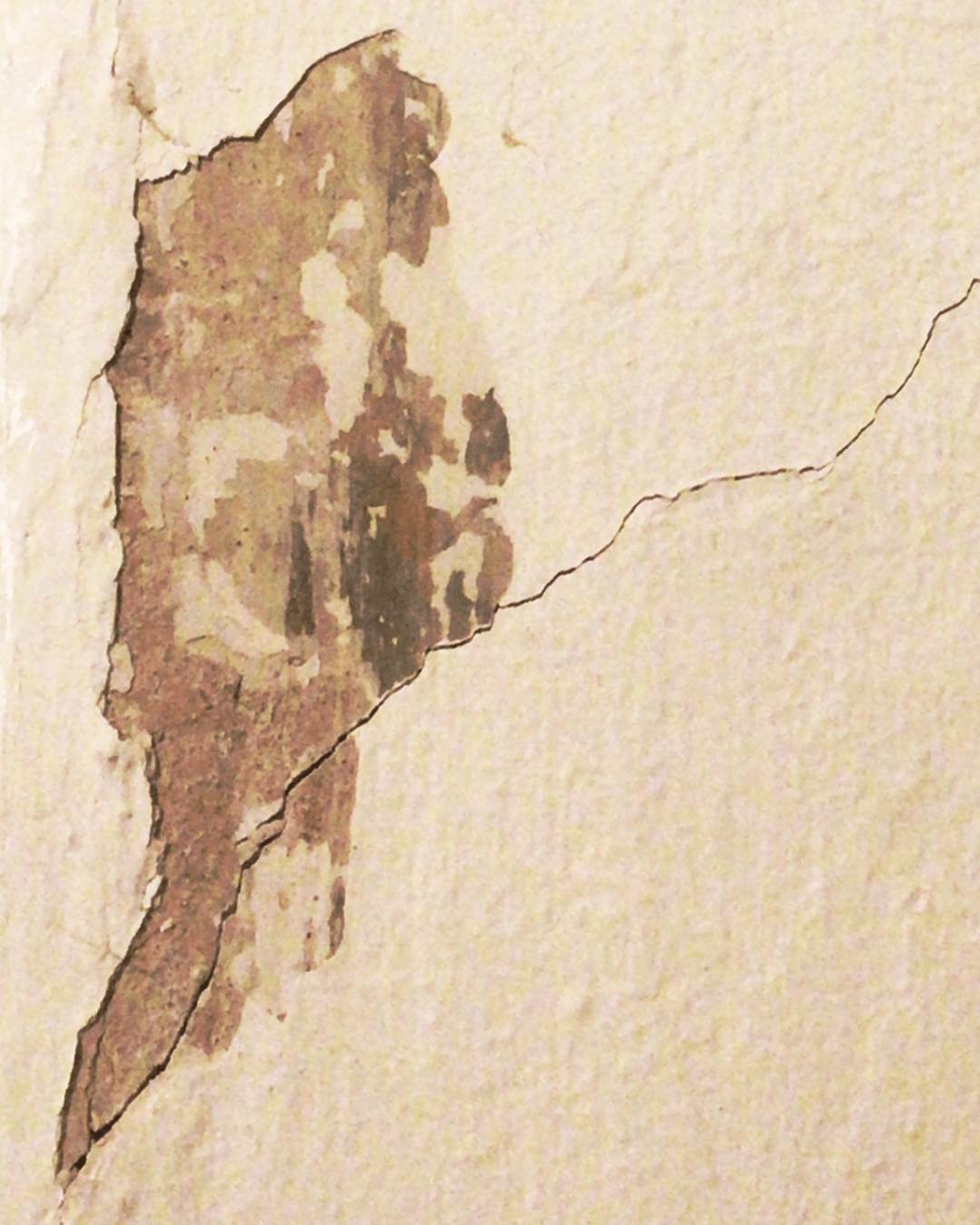
Patina, I think, is like a veneer of use acquired through ages. I used to look at my doors and skirtings and sigh at the knocks left by stubbed toes, chips made by mysterious blunt objects, even little grubby hand marks around the light switches…peeling paint, cracked plasterwork… Some of this requires attention (or cleaning), but actually these marks tell a story of the life of the family within. We are unconsciously stamping ourselves in our time and place.

Because we have the privilege of living in an old house, we have inherited a number of such bumps and scrapes, and it’s likely the next owner might do the same. I’d like to think this can go on and kind of add to the charm of the place. These are not qualities modern buildings and materials are now designed for.

I’m not trying to be black and white about this, after all my own line of work often involves adapting historic buildings. But if we focussed instead on doing something once and doing it well, making something enduring, an investment for the future, how might be do things differently?
Moods

Along the lines of the tidal theme, I’ve been thinking how there is an apparent tendency for the most charismatic, entertaining, people to have a ‘dark side.’ I have speculated that some people must experience a greater spectrum of emotions than others. Only those who feel unadulterated happiness can also pull themselves into the depths of despair. Is that valid? Or maybe we are all somewhere along this spectrum by the nature of our own personalities…maybe life events can open new parts of the spectrum to us. Maybe the highs do not mirror the lows.

I’m not sure how much control anyone really has over any of this. Depression is an incredibly difficult thing to comprehend, and so many people suffer from it, it’s such a wasted energy. I myself get bouts of anxiety, possibly conditioned, possibly hereditary (or both). I’m also aware of how much this inhibits me, but I can’t seem to do much about it, it’s incredibly frustrating. I am resolved that screens and false worlds have a lot to do with the apparent ‘modern’ epidemic of depression, however, I also think it is impossible to know what the real historic picture is: the stigma surrounding depression, and it’s many forms, has only recently started to erode.

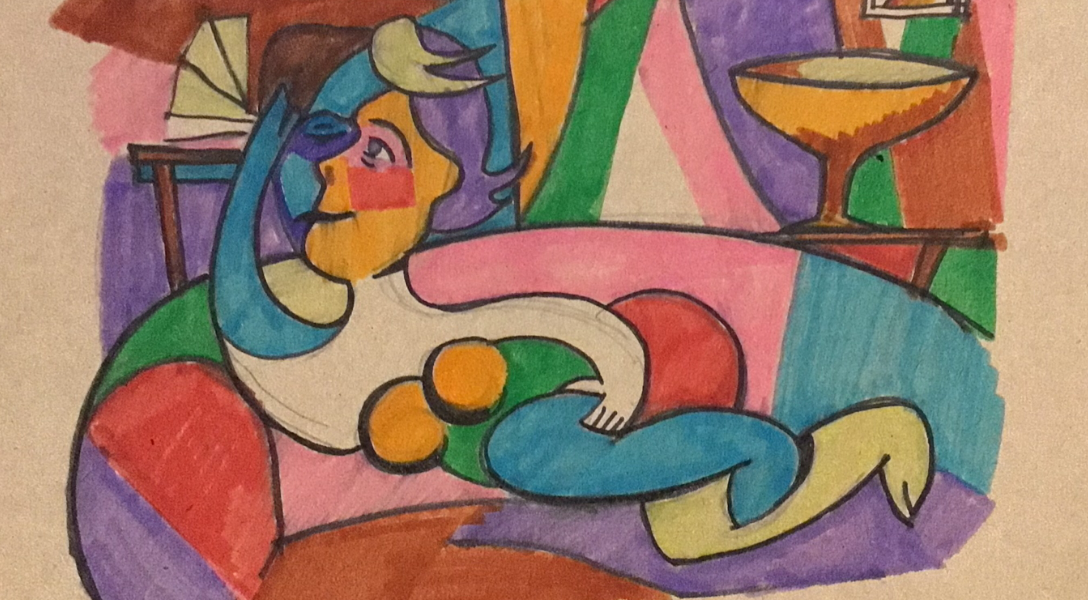
This image is a bit of a play on Picasso’s portraits. I’ve always enjoyed these and his studies in Cubism in particular. What I specifically like is that he seems to blur the definition between the subject and their surroundings, sort of melting them into the space. He captures sometimes several perspectives to build up a more complete representation. This is very much just a silly doodle – I’ve tried to show the ‘two sides’ of the character as simply happy/sad.

Vessels

After yesterday’s venture round the rabbit hole, I decided I need to get back on the proverbial ‘ship’. That ship is our Earth, the world around us that we can see and understand. It is bearing us safely through this spaghetti web of space and time; it is the point of relativity relevant to our existence.

I was thinking about vessels in this way and started to also think about how our bodies are vessels too; but they go further than this – obviously, we interact with the world around us through all of our senses. We navigate this world and all its offerings around us. But we are not captains of this ship.

Considering the planet in this way does somehow force more urgency on the issue of looking after it – we don’t have lifeboats. I’m not talking merely about carbon or energy conservation…but looking after ecosystems, the way we produce food, plunder the earth, treat each other, live together. As a society we have developed such an ingrained wastefulness of consumer culture that mega industries have risen and developed their business models upon. Almost all of us have become dependant upon it. Some major, very real and scary shifts will have to happen at some point.

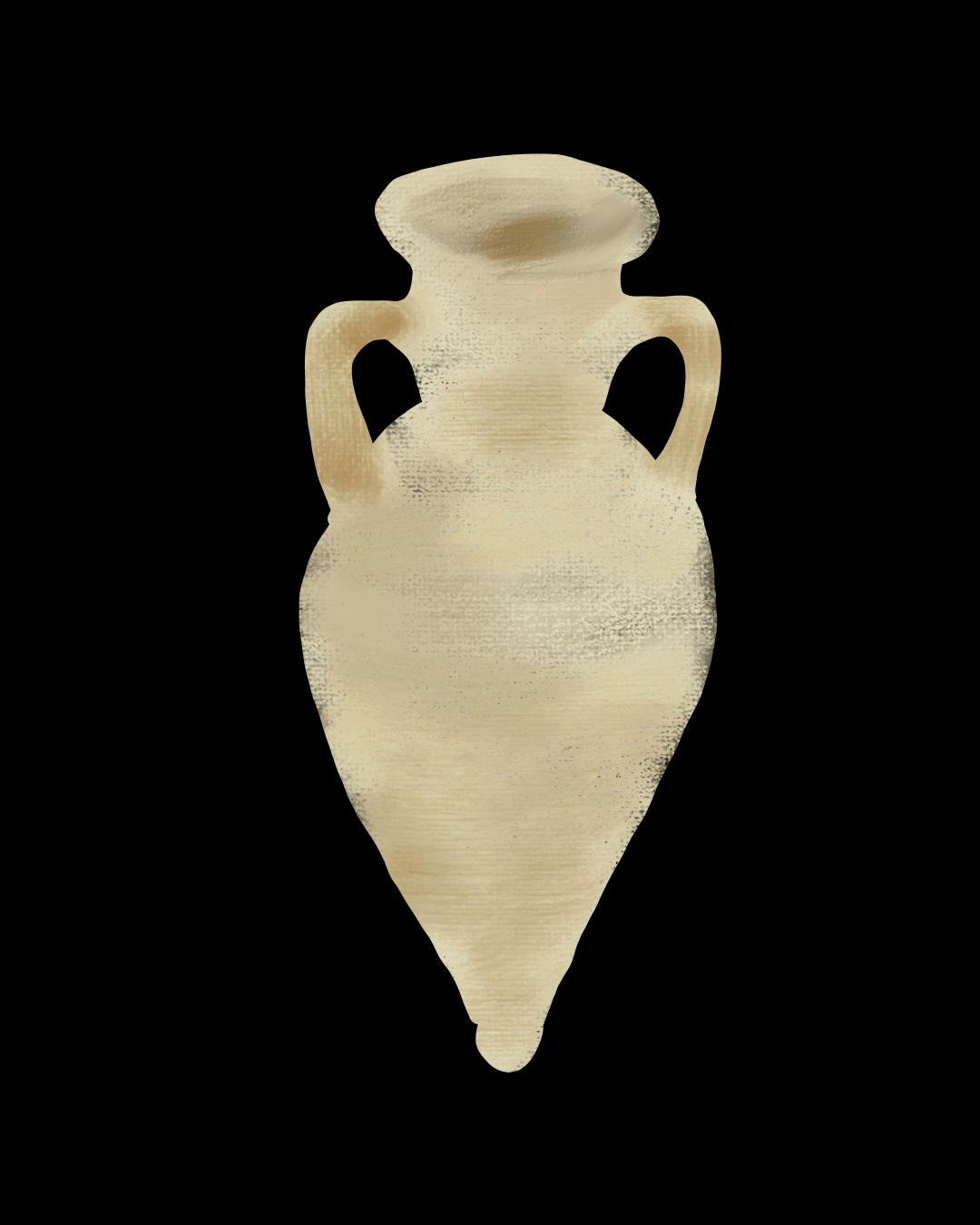
Today’s entry is an amphora, an ancient form of vessel. I like the connotations with the vessels used by pharaohs to transport them to the afterlife; their tombs and canoptic jars. The vessel is indeed a sacred thing, and nothing more sacred than our very own Earth.

Vectors

A quantity of both magnitude and direction. I remember first being introduced to the concept; realising that direction is merely a changing position relative to another point. But in our expanding universe, spiralling galaxy, orbiting earth and rotating planet, wouldn’t it be fascinating to trace the actual path of your own body through space, for instance, in your own lifetime? Or the earths, or our sun, through its lifetime? Again – this path, its distance, its speed, could only be presented as a comparison to a ‘fixed’, but, actually also, moving point! Nothing is static, except maybe the centre of the universe…even then some scientists suggest (I’m not sure how far the theory is proved) that there is a multiverse. I would hazard a guess that our own expanding universe is also not static stacked against these other universes.

When Copernicus developed the heliocentric model that Galileo famously later fought to prove through his Dialogue of the Two Chief World Systems, the theory was ridiculed by Galileo’s fictional character, Simplicio, for suggesting that we could be travelling at such a speed without being swept off the face of the Earth. Galileo’s opposing, Copernican-theory supporting character, Salviati, suggested the analogy of a ship – making the first argument for relativity. Of course, day to day, we have to stop thinking in these crazy spiral upon spiral upon spiral terms and just make it from here to there. It’s just not useful. The scale of space and time makes the ‘real’ (spiralling etc) movement irrelevant to us.

Or does it? Considering the more developed, modern theory of relativity, anything travelling faster than the speed of light starts to travel back in time. If you’re looking for a non-scientific explanation of this, read (or try to read, though warning: it may make you lose your mind) Shrodinger’s Cat for an expanded, not-too-sciencey explanation. When we consider that speed is relative, what does this actual mean!!!? We are already (not even theoretically!) moving faster than the speed of light, compared to something else. The light you shine from your torch…are you not moving back in time compared to it when you shine it away from you? How might the light, from its own position, perceive you?

So what am I getting at with this entry? Don’t ask. I don’t even know! Maybe it’s just that, again, vectors, distance, speed….even our own ‘physical’ existence…these are all constructs we have created and simplified for our selves to understand and use within our own context and existence. Who knows what it actually looks like from any other multitude of angles…

Corrections (thanks to my brilliant uncle):

The discussion referred to in Galileo’s Dialogue is the trialogue between three fictional characters arguing the pros and cons of a, strictly hypothetical (!), theoretical heliocentric system vs the Ptolemaic (Geo-centric) system.

Shrodingers Cat – I’m referring to a book I read, far too many years ago, that is actually about quantum physics more generally, presented in layman’s terms: In Search of Shrodinger’s Cat by John Gribbin

Invisible forces

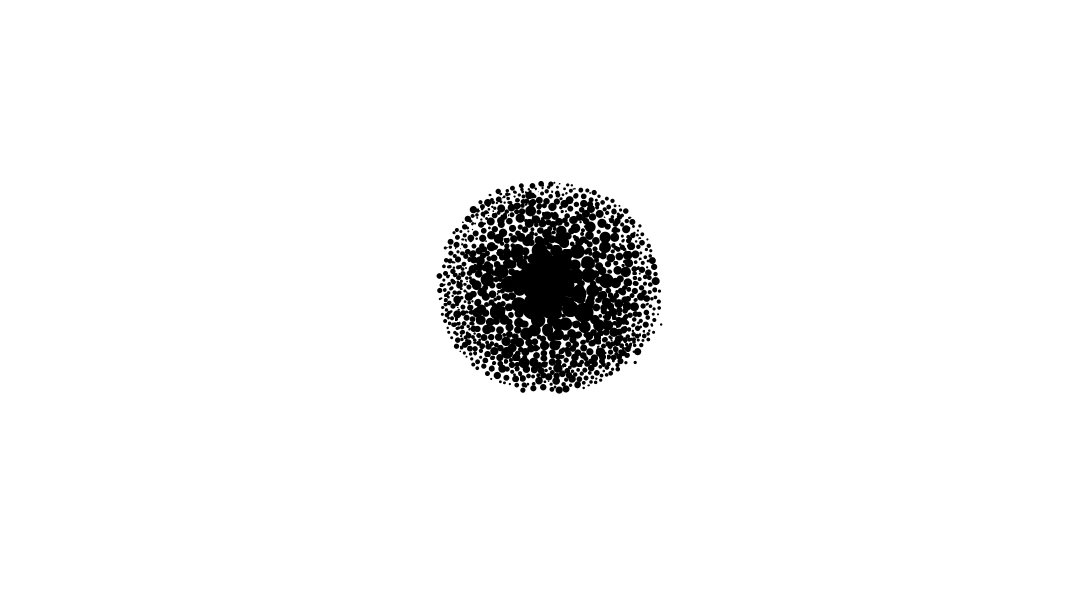
Going back to the discussion a few days ago about tidal forces… I imagine this as two men pulling apart; giving and taking. This one dimensional view is revealed to act in two, then three dimensions. You see the central nucleus is eventually stretched to mimic the appearance of an atom.
I vaguely remember high school chemistry: initially atoms were presented as little balls within little balls with a nucleus and a bunch of electron balls in a perfect orbit around them. Later on, as we progressed, this was explained as still a nucleus with stratified electron clouds. Then in Physics, this is blown apart and you realise everything is broken down a third time into minuscule particles, some that can combine or subtract to become a different particle, imposing its own massive forces on everything around it. Basically, everything is made of the same stuff and most of everything is actually nothing. I think I would actually lose my mind if I learned it goes further than this.
What I mean to come to here, is that we, man, are like these tiny minuscule forces, we and our own whims are so insignificant in the grand scheme, whatever that is.

Apart from these thoughts, I was lucky enough lately to have a really good stargazing experience. I had that evening watched my dog curl up into a ball on the cold beach and laughed at how he was following passive house principles by reducing his surface area. Surely an architect joke. Then I looked up and started to think…clearly the sphere is the most efficient shape in all existence. How weird that our own galaxy is more or less two dimensional.

I can’t call the doodle with this post ‘art’ but I was thinking all these thoughts as I drew it. Also I was on a train and my hand was not steady. Looking at it I realised my brain is drawing a line around the edges; clearly it can’t handle what it’s actually looking at and trying to rationalise it in some way; creating its own system to understand what it’s seeing. I hope you can find the hidden number.

just kidding.

Generations

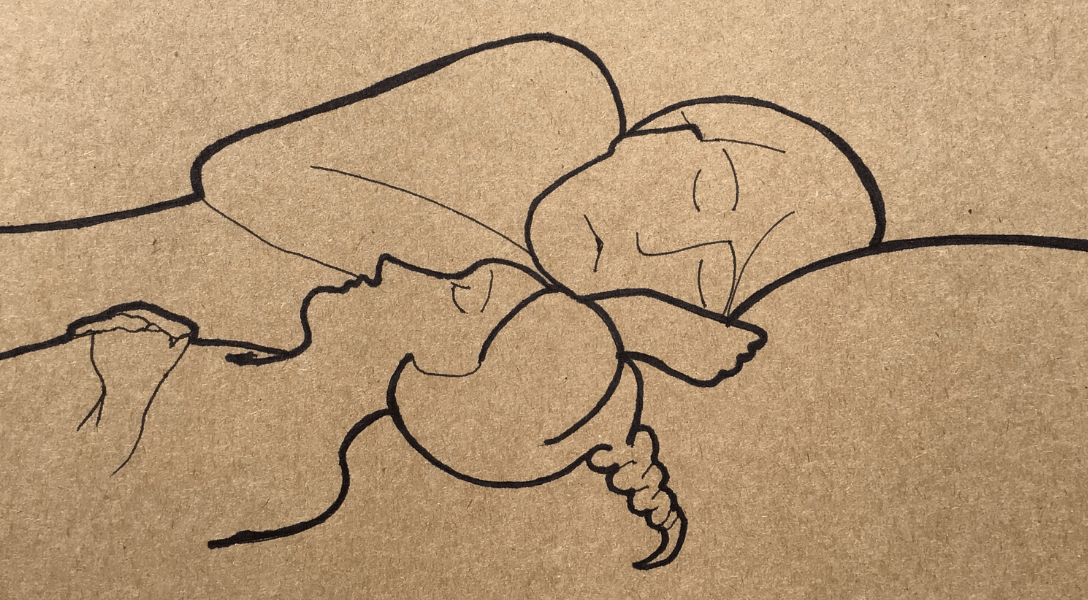
I woke up to this scene this morning, my little one had crawled into bed and was quietly breathing next their sleeping father. They looked like they were flowing together, snoozing away. It was a happy, peaceful scene.

As I watched them I thought of how we pass on some of ourselves, in various guises, onto our children. It lead me to think about how we grow, flower, bloom, fruit and then eventually wither like every other life form. This endless cycle is as sure as the tide: ebbing from the shore to the massive swell, eventually coming back to land, different.

We tend to focus on our own singular existence, but we are just a wave if the sea. What if we could reposition our perspective, our sense of self, to this larger, shifting, continuous and collective existence? How we might live differently?

In the beginning…

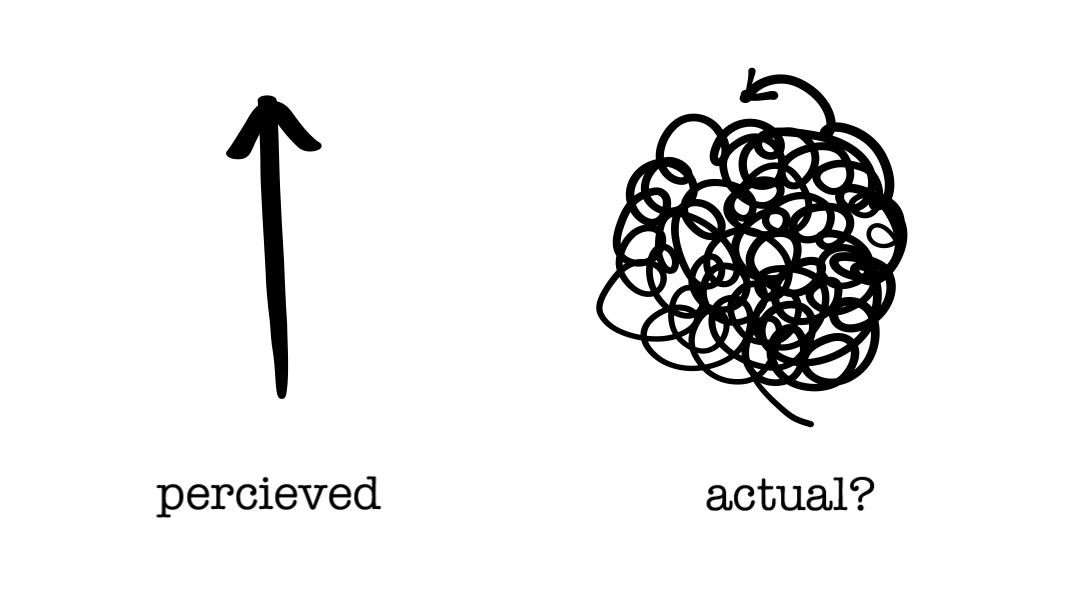
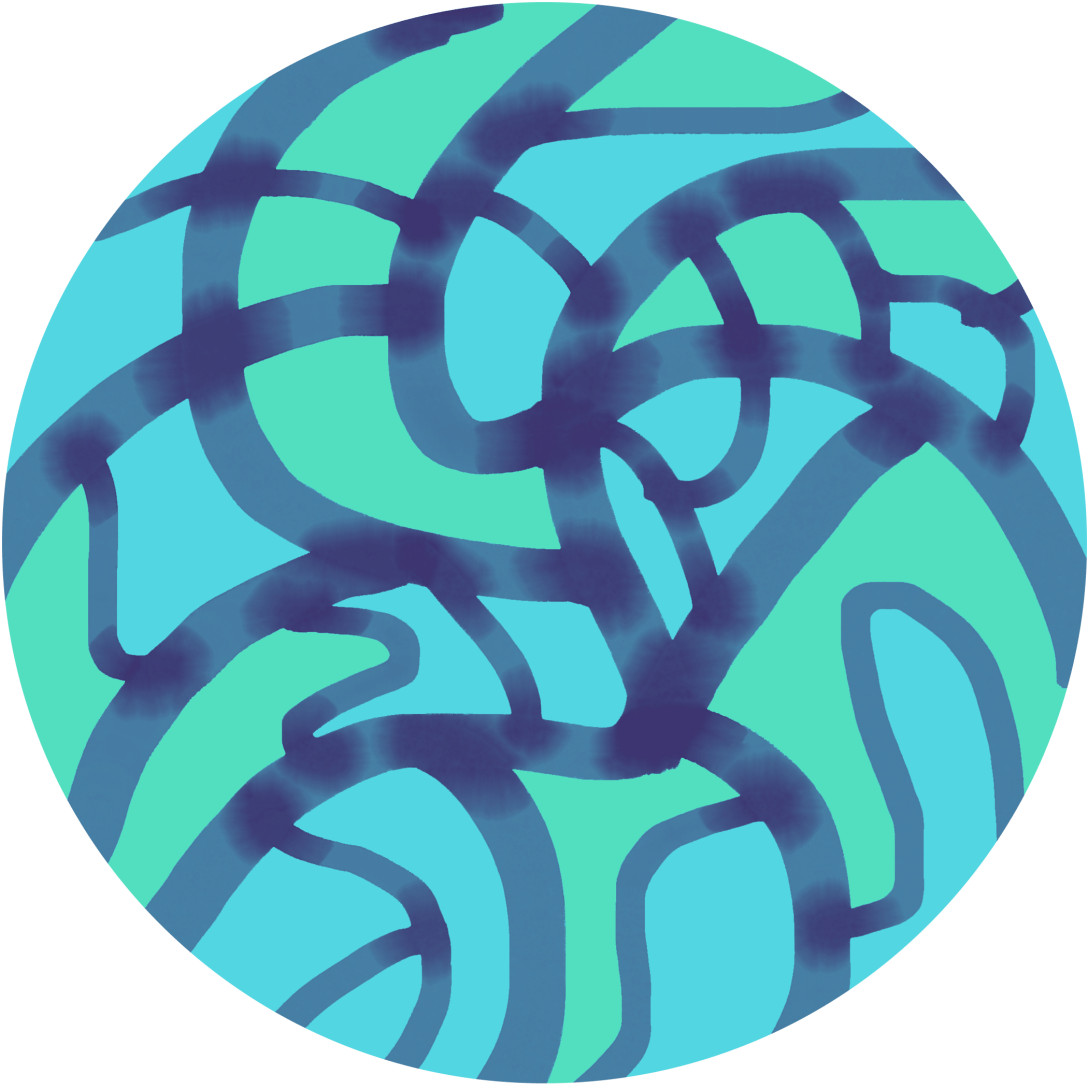
So it begins…we start with the first visual entry, probably a temporary logo for this journal. It’s meant to suggest some meandering paths and somehow it ended up looking like a messy, knotted globe. I think this is a snapshot of what my mind feels like, or maybe it’s my perception of the world around me.

I’m not exactly sure what I’m setting out to achieve here. In a way I don’t want to untangle my thoughts and reduce them to ‘straight lines’, however, I’d like to clarify what is, for want of better words, the mental diarrhea that my brain keeps churning up.