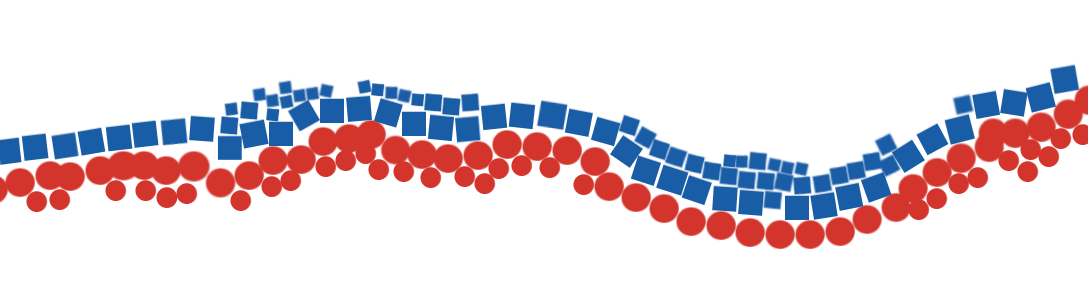
Patina

I recently stepped into a building, back in time. Everything in that place had been made by hand, laboured over, and in spite of having gone through the knocks of life, was well preserved. I started thinking about the value of old things, admittedly not a new feeling for someone interested in architectural conservation, but I did feel a perspective shift.

My presumption before was not so precious about older things, insisting somehow that we can also add our own modern (honest?) artistic stamp to older buildings, and, while appreciating the values of what we are working with, we shouldn’t be to nostalgic about loss ‘where it is needed’. But as it becomes more apparent, the skills and labour and materials invested in these buildings of the past should not be so readily subjected to our fashionable whims. These are scarce commodities and we can’t pretend to replace them with anything like the same level of quality.

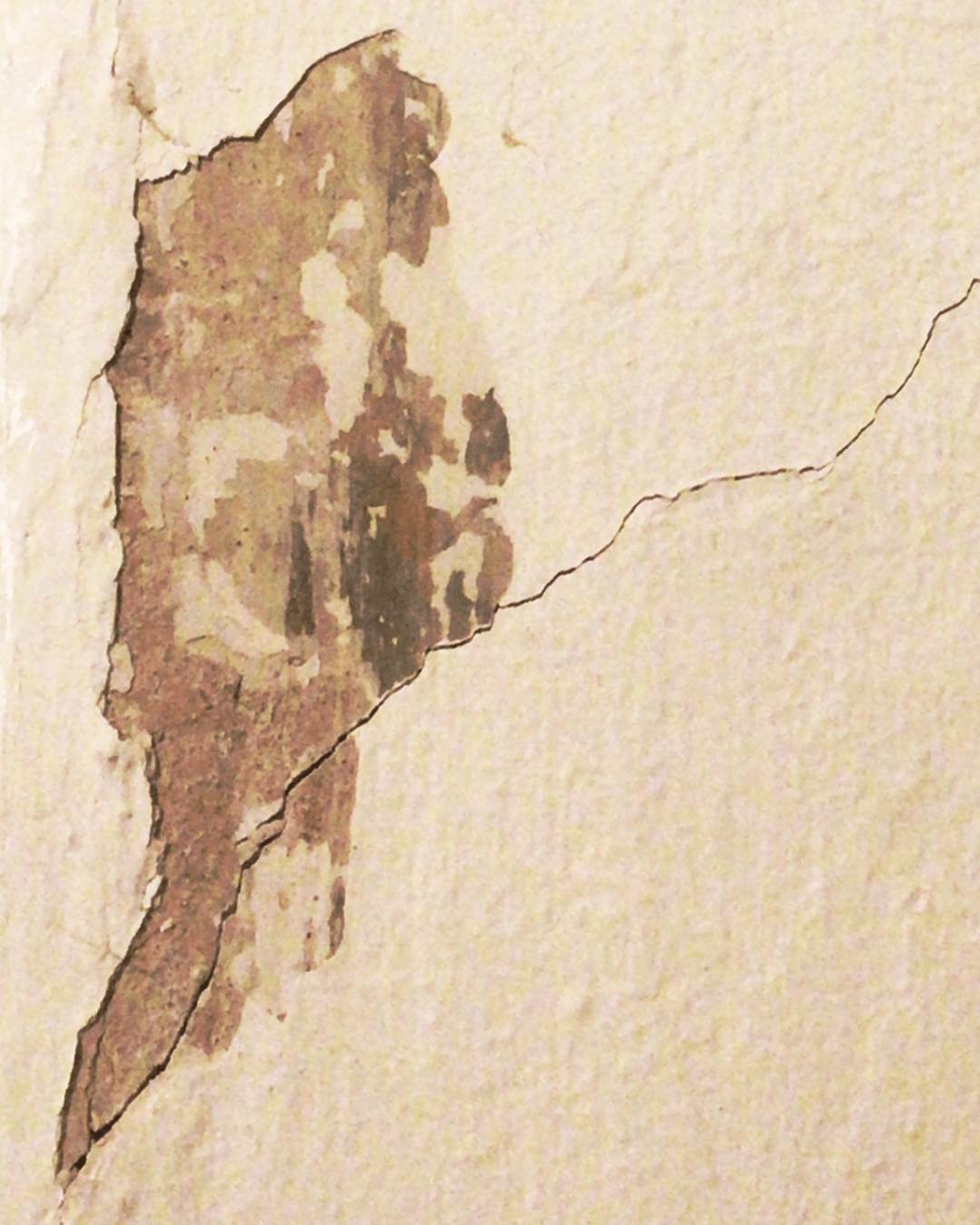
Patina, I think, is like a veneer of use acquired through ages. I used to look at my doors and skirtings and sigh at the knocks left by stubbed toes, chips made by mysterious blunt objects, even little grubby hand marks around the light switches…peeling paint, cracked plasterwork… Some of this requires attention (or cleaning), but actually these marks tell a story of the life of the family within. We are unconsciously stamping ourselves in our time and place.

Because we have the privilege of living in an old house, we have inherited a number of such bumps and scrapes, and it’s likely the next owner might do the same. I’d like to think this can go on and kind of add to the charm of the place. These are not qualities modern buildings and materials are now designed for.

I’m not trying to be black and white about this, after all my own line of work often involves adapting historic buildings. But if we focussed instead on doing something once and doing it well, making something enduring, an investment for the future, how might be do things differently?
Virtual reality

When I was a child, I imagined (and I’m sure most children have thought this) that an alternate world existed in the mirror. I used to look along the edges and try to peer along the sides, to glimpse round the corners, to see the surface from below. Hotel corridors presented impossible worlds of double mirrors where, frustratingly, you could not see between or around. I felt like I had to step into it, somehow.

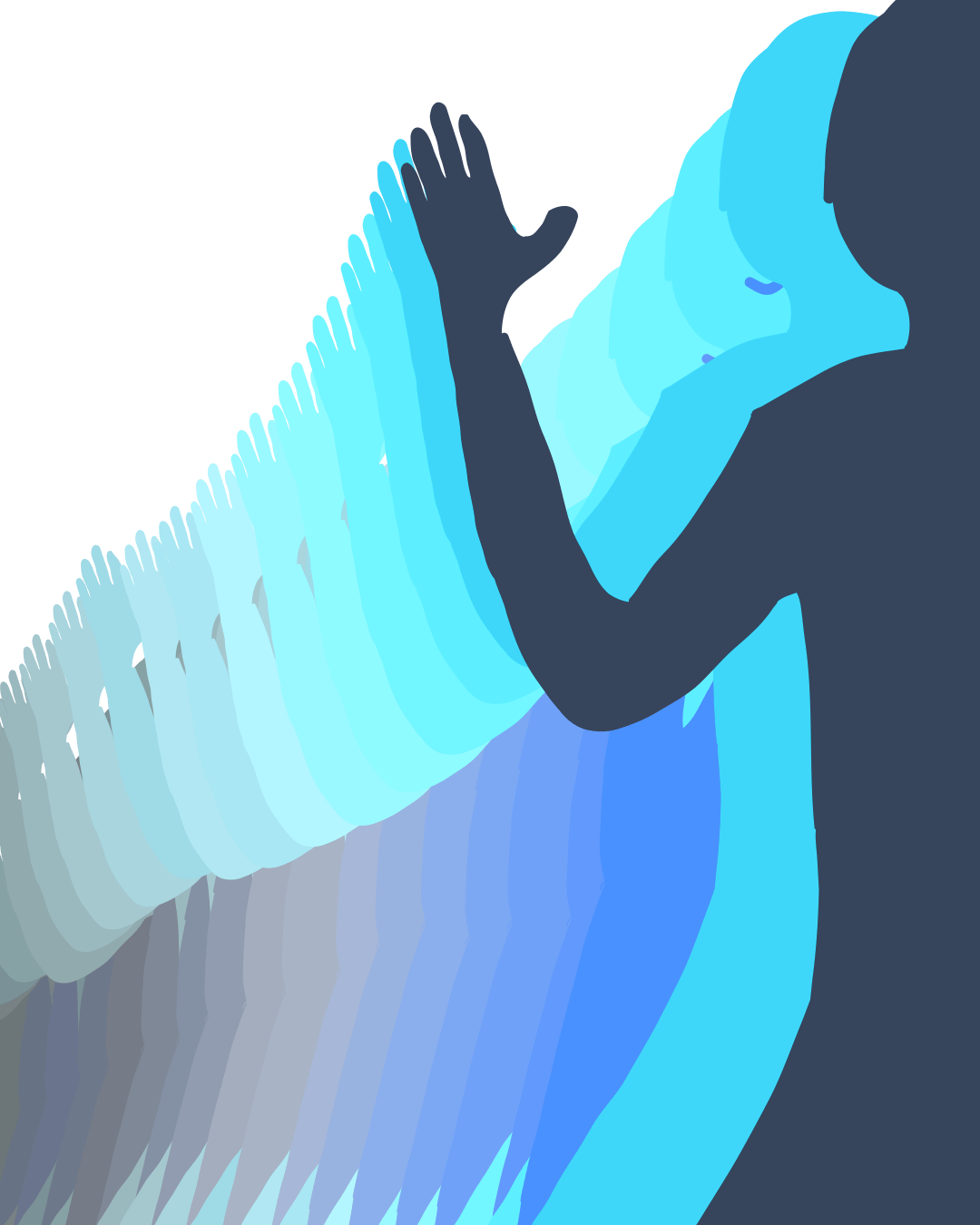
Is this the appeal of virtual reality? As we create alternate worlds of existence, these become increasingly detailed and life-like. We create alternate virtual realities, and alternate virtual identities. To what end? I see it is useful in architecture; we can simulate appearance and performance datasets and pre-empt issues that may arise in construction. However, it does not replace human intelligence or sensory experience. Do we want it to?

In our alternative world of the internet, we have created new currencies – social currencies, cryptocurrencies, advertising and software application currencies…maybe most sinisterly as well, the currency of personal data. This whole virtual world exists, and grows ever richer in its level of definition. But just like the mirror, it isn’t real. It’s merely a reflection, an illusion of some kind, and we cannot pass the barrier into it.

The appeal of going beyond this mirror is lost to me. I enjoy the odd bit of escapism with a good film or book, but I do not see what the ultimate benefit or aim of this constantly plugged-in culture is delivering us. I can’t remember the name of the study, but a few years ago heard it posited that the amount of (physical) social engagements a person has per day has one of the most direct impacts on their life expectancy. If that’s true then I’d doesn’t bode well for our generation.

I want my children to engage with the real world, see it with all their senses. It is so full of richness and beauty. We have the real thing right before us, and it’s soul-destroying and fundamentally unnatural to remove ourselves from it. The alternate reality is all very good, but as a society we have become drunk and giddy with it. Like any drug, moderation and appreciating when it has its uses is more sensible. It’s time to sober up.

Personalities

If you’re fortunate enough to witness children growing up, you’ll notice, with hindsight, that their fundamental personalities were there from the start. Inherited behavioural and character traits, either from our parents or by some quirk of nature from much further back.

As we grow, these simple shapes are kept, but built upon, by what some might call ‘conditioning’ i.e. how you are treated or taught by others, and your experiences.

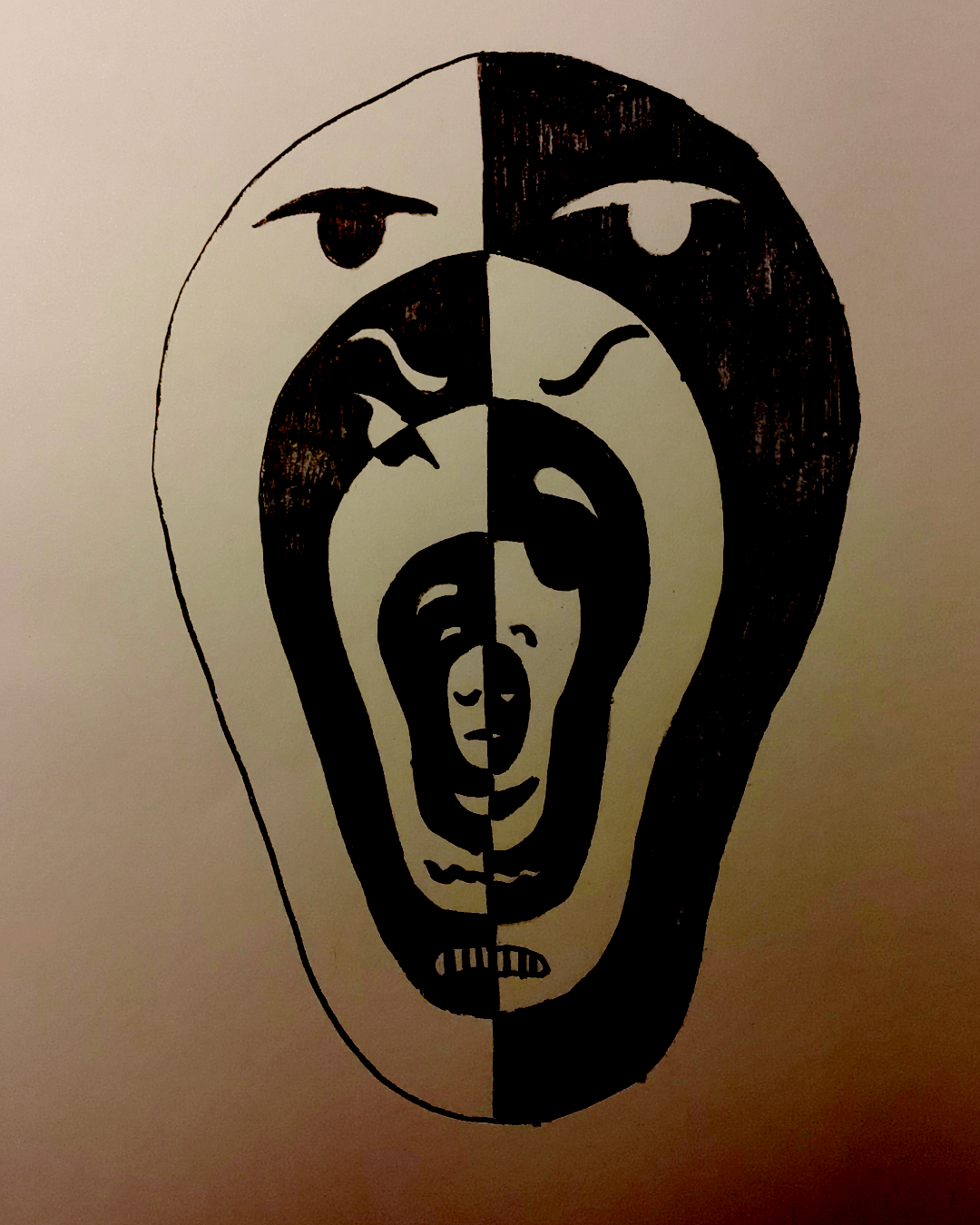
I think it’s very neat to think of this all building up in layers, like a Russian doll, but I’m sure it’s a lot more complex than that. If we started to peel away these layers, we would find some are stuck together, missing parts, or simply broken. Some parts might even be sliding under other tracts – connecting seemingly unrelated layers.

Psychology must make for fascinating but scary sort of work. Who of us would like to see such a cross section of others, but especially ourselves?

Trees

Trees are natural strata-makers. Every year they build up another ring of growth, reflecting spring’s burst and demand for water and nutrients buried in the ground, then diminishing and pausing through winter. Each year, information on the climate and the tree’s immediate ecosystem are being charted with each successive layer of growth – such information is being used to date timber samples but there is also the separate study of dendroclimatology.

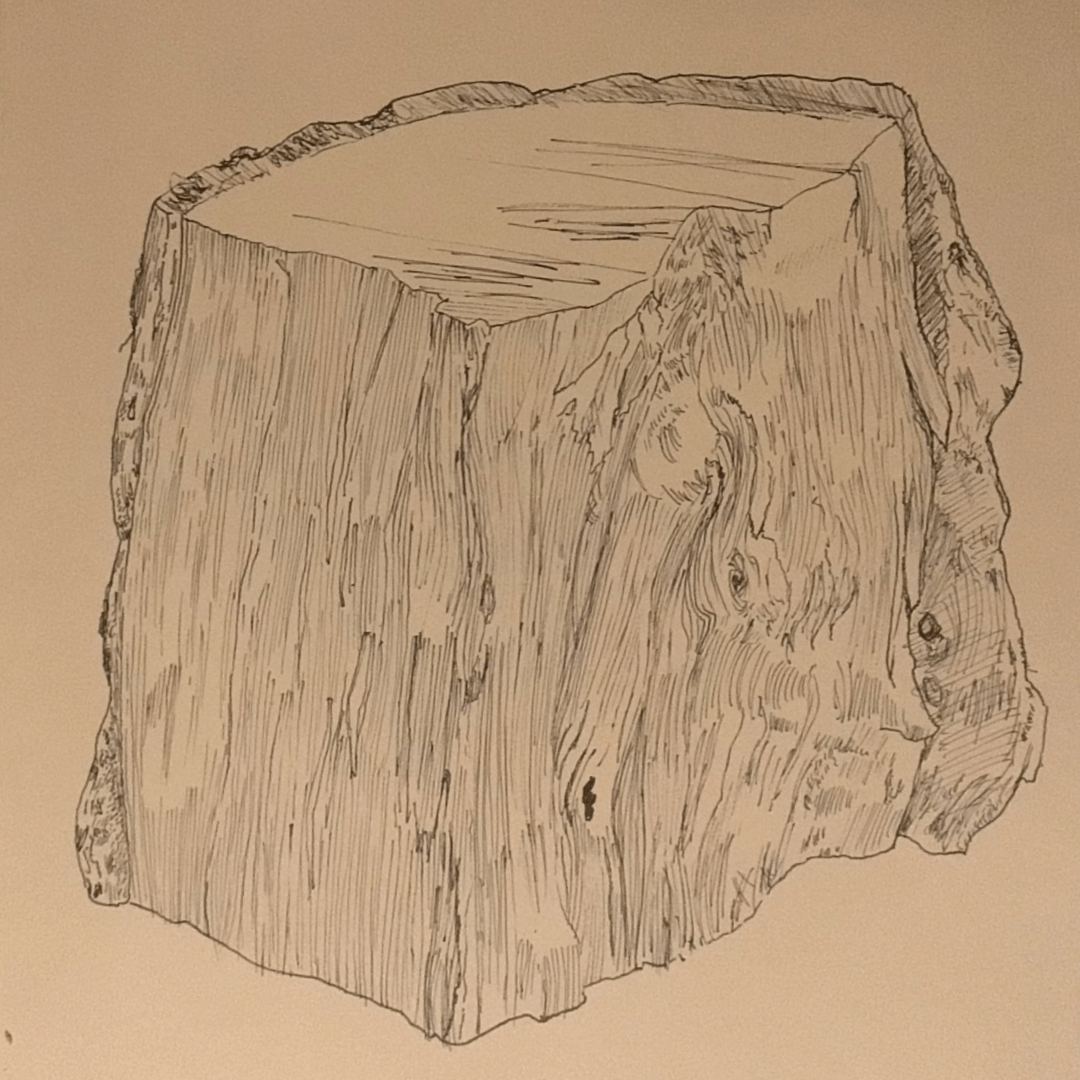
I drew a block of wood today, thinking about this. Trees grow in layers, and those layers each hold a story. This cut of wood wasn’t the best for looking at growth rings, having been sawn and destined as fire wood, but looking ‘along the grain’. It’s interesting to look at the structure from this angle, being so directional. It makes me think back to historic properties and the fact that timber products in our buildings were all made once with a quality of slow grown timber that just isn’t commercially available anymore. Structurally, the properties of these stronger timbers were understood and exploited, resulting in much smaller sections doing only what a modern, large piece of structurally graded lumber can achieve. This is why it is better to conserve these old timber structures, windows, doors. That, and the issue of conserving the trees we have.

I live in an area that has been heavily commercially forested. The landscape is dominated by it. I often try to picture what it must have once looked like. Clearly there is a demand for this type of timber, however a lot of wider landscape and environmental issues have emerged calling for balance. I’m less and less convinced simply planting trees is the answer to our problems. It’s certainly not going to every justify our propensity towards waste.

Slabs

It’s probably worth investing some time in learning Geology. I keep surprising myself with the fact everything we use comes from the ground. It’s easy to forget this, because so much stuff goes through sophisticated processes of refinement and technology before it comes to us as a complete and packaged product.

Geology is fascinating, because it reveals a story, a story through time, of how the earth was formed. Abstracted, imagine each age laid down in these massive time-slabs – sometimes crushing debris and animals in their path, reducing them to mere pages. Sometimes these pages are then bent and buckled or scorched or cooled – how rapidly or slowly dictates the formation of different crystals and deposits. Then there is water, with its huge, awesome force, traversing this activity, ripping through the earth.

I keep thinking I wish I paid more attention to it at school, because I feel I know so little of it now. But I didn’t appreciate any of this at the time, and my geology teacher was not charismatic. It isn’t ever too late to learn, just time is not on my side.

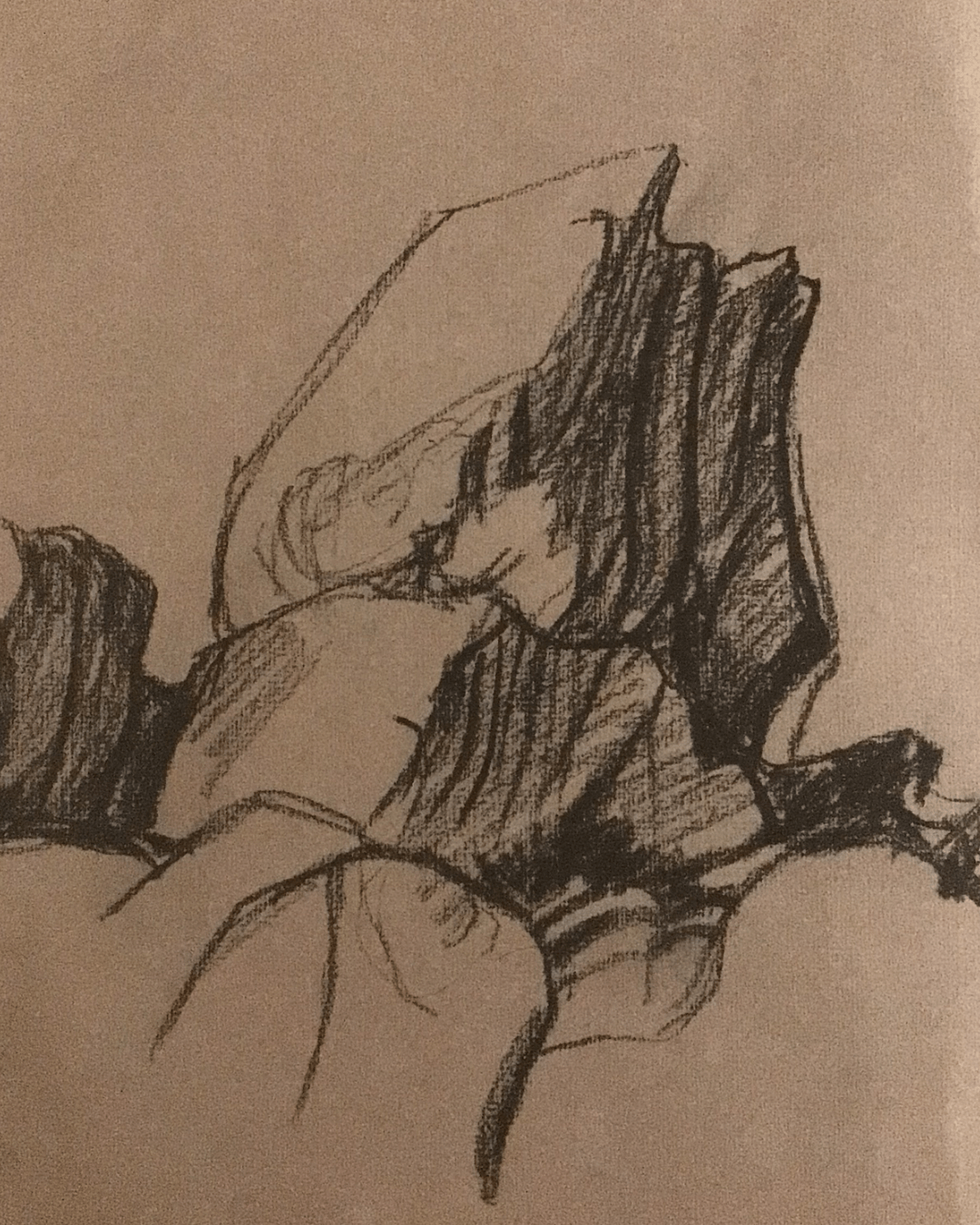
The local coast is dramatic, often rocky, defined by semi-metamorphic rock, in some places jutting out of the sands and mudflats diagonally several metres high. The rocks of the cliff sides churn then slam down into the shore.

This particular sketch is a solitary upright slab. These sort of slabs are interesting in themselves. It makes me think of gravestones, and how we feel a need to mark a life. These slabs are in effect their own markers of a time and circumstance.

Getting carried away…

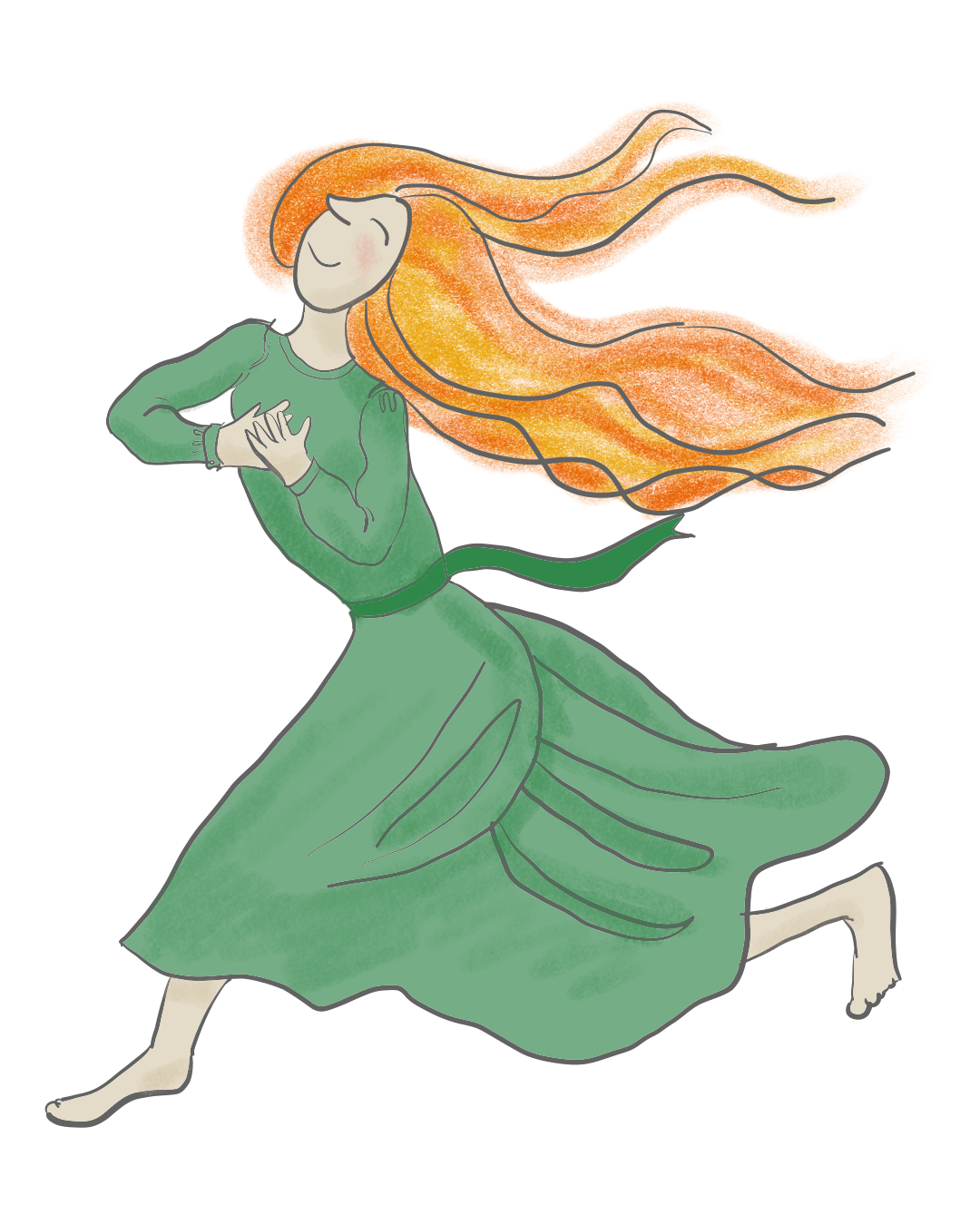
Admittedly, probably nothing to do with the new theme of strata. This is just a doodle I felt like drawing today. It seems a very happy picture, and I’m not sure why. I don’t feel particularly joyful right now!

I think part of me feels carried away by thoughts and it’s very easy to get swept up in the idea of something exciting or different for a little while. Maybe easy too to kid yourself on that it is the right thing, because the feeling it gives for that little while is good, right?

I keep thinking back to the Vectors entry and how I could do so much more with a real sense of direction. I get too interested in other things…I end up going a long way, and not really getting anywhere. Maybe I really should stop fixating on ‘getting anywhere’. Where is that, anyway?

My eldest has been reading Roald Dahl and I think something of this picture might be inspired by Quentin Blake’s sketches. I love Dahl’s powerful ability to convey characters, with a few simple (and poetically made up!) words. Quentin Blake does the same in art form. The result is not necessarily lifelike; sometimes grotesque, comedic, but always very warming somehow.

Strata

I’m exploring a new theme. Strata – or layers, though I think Strata is a better word, as it is more specific about a sequence in which these layers are formed.

There is something alluring about Strata. We see it in so many forms; in geology, a design process, a personality, an onion, a tree, a life. I’m just throwing examples out there.

What’s alluring about it? Does it appeal to our insatiable need to discover and learn new things? Probably. Sometimes those layers, whatever they represent, are obscured, hard won by, or just impossible to reach.

A process of continuous unveiling deepens our understanding. Sometimes it is necessary that this happens slowly, because information has to be absorbed, fully appraised, so when all is revealed, the full complexity is finally understood. Nothing simple is worth knowing.